


Successful self-promotion is not about blasting links across social media or constantly asking people to buy from you. Effective marketing is built on providing value, creating genuine relationships, and communicating directly with your audience in a way that earns trust, engagement, and long-term loyalty.

The best marketing feels like a conversation, not a sales pitch
Many entrepreneurs, musicians, artists, creators, and small business owners struggle with self-promotion.
The challenge is not simply getting in front of people—it is knowing how to do it in a way that generates a positive reaction. Too often, individuals focus on pushing products, services, or content without first building trust or creating meaningful engagement.
The result? Their promotions are ignored, deleted, or perceived as spam.
Successful marketing is not about interrupting people. It is about connecting with them.
The following three principles can help you market yourself more effectively while building an audience that genuinely wants to hear from you.
A Real-Life Lesson in Marketing
Several years ago, I shared a quote from a famous songwriter on social media.
A singer-songwriter I did not know responded to the post, commented on the quote, and started a genuine conversation. After a friendly exchange, she mentioned some of her music and shared a link to her songs.
Because she had taken the time to engage authentically, I listened to her music, shared her content, and helped drive traffic to her website.
A few days later, another musician sent a message that simply said:
“Hey, check out my latest song,” followed by a link.
There was no conversation, no relationship, and no context.
My instinctive reaction was to ignore it.
This example highlights an important marketing truth:
People respond to relationships—not random promotions.
1. Speak to One Person, Not Everyone
One of the biggest mistakes marketers make is trying to appeal to everyone at once.
Ironically, the most effective communication often feels personal and directed toward a single individual.
Consider these two examples:
Example A
“Hey everyone, thanks for attending our last show. We hope all of you can join us again next time.”
Example B
“Hey Pedro, thank you for coming to our last show. We really appreciated having you there and hope to see you at our next event.”
The second message feels far more personal and engaging.
People naturally pay more attention when they feel a message is speaking directly to them.
Create a Customer Avatar
A powerful marketing strategy is to create a profile of your ideal customer, fan, or client.
Include details such as:
- Name
- Age
- Occupation
- Interests
- Goals
- Challenges
Whenever you write an email, social media post, advertisement, or newsletter, imagine you are speaking directly to that person.
This approach helps create more authentic and compelling communication.
2. Focus on Giving Value
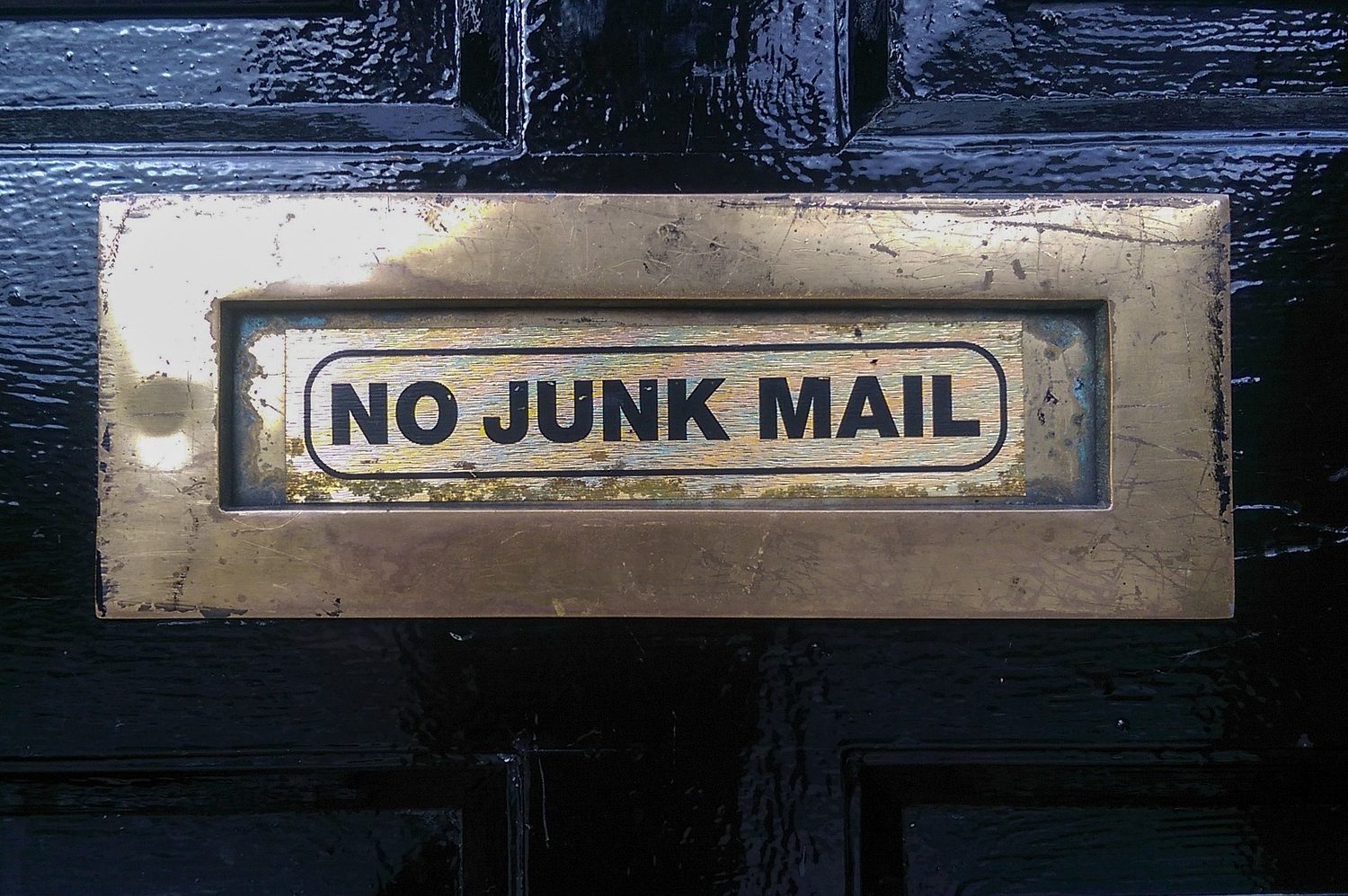
When you focus on giving value first, trust and engagement naturally follow
Many creators unintentionally make their promotions entirely about themselves.
Messages like:
“Please support my project.”
or
“Check out my music and tell me what you think.”
often fail because they focus on what the creator wants instead of what the audience gains.
Shift the Focus
Instead of asking people to support you, explain how your product, service, or content benefits them.
Ask yourself:
- What problem does this solve?
- What value does it provide?
- How will it improve someone’s life?
- Why should someone care?
People are naturally interested in things that make their lives easier, more enjoyable, or more successful.
When promoting yourself, focus on the audience’s needs first.
Value Creates Engagement
Whether you are selling a product, promoting a service, or growing an audience, your content should consistently provide:
- Education
- Inspiration
- Entertainment
- Solutions
- Useful insights
The more value you create, the more trust you earn.
3. Build Genuine Relationships
Perhaps the most powerful marketing strategy of all is relationship-building.
People prefer doing business with individuals and brands they know, trust, and respect.
This principle applies to:
- Customers
- Fans
- Readers
- Business partners
- Mentors
- Industry influencers
Build Relationships With Your Audience
Imagine attending a conference and having a meaningful conversation with a speaker afterward.
Would you be more likely to purchase their product?
Most people would.
The same principle applies online.
By engaging with your audience regularly through email marketing, social media, events, and valuable content, you create ongoing relationships that strengthen over time.
Build Relationships With Industry Professionals
Networking is often described as:
“It’s not what you know; it’s who you know.”
While relationships can create opportunities, they should never be built solely around personal gain.
Instead:
- Get to know people genuinely.
- Support their work.
- Look for ways to provide value.
- Develop trust before asking for favors.
Strong professional relationships often lead to partnerships, referrals, collaborations, and new opportunities.
The Difference Between Marketing and Spamming
The opposite of relationship-building is spamming.
Examples include:
- Sending unsolicited emails
- Posting promotional links everywhere
- Constantly asking people to buy
- Repeatedly promoting yourself without engagement
These behaviors often frustrate audiences and damage your reputation.
Many beginners focus exclusively on exposure.
They think:
“That page has 20,000 followers. If I post my link there, someone will buy.”
In reality, the page owner may remove the post, and followers may view the promotion negatively.
A Better Approach
Instead of leading with promotion, lead with value.
Share content related to your industry that helps, educates, or inspires people.
Over time, your expertise and credibility naturally create opportunities to introduce your products and services.
The best marketing rarely feels like marketing.
Why Relationship Marketing Works
Relationship-based marketing creates:
- Trust
- Credibility
- Loyalty
- Referrals
- Long-term growth
Unlike aggressive promotional tactics that deliver short-lived results, relationships continue generating opportunities long after the initial interaction.
People buy from people they trust.
That principle remains true regardless of industry.
Final Thoughts

Successful marketing is built on relationships, while spam is built on interruption
Knowing how to market yourself is just as important as mastering the craft behind your business.
Whether you are an entrepreneur, artist, consultant, musician, or small business owner, your success depends on your ability to connect with people authentically.
Speak directly to your audience.
Provide value before asking for anything in return.
Invest time in building meaningful relationships.
By following these three principles, you can grow a loyal community, strengthen your reputation, and market yourself effectively—without ever being perceived as a spammer.
FAQ – Frequently Asked Questions
What is the difference between marketing and spamming?
Marketing provides value and builds relationships, while spamming focuses on repetitive self-promotion without audience consent or engagement.
Why do people ignore promotional messages on social media?
Most people ignore promotions that do not offer value, relevance, or a personal connection.
How can I market myself effectively online?
Focus on creating helpful content, engaging authentically with your audience, and building long-term relationships instead of pushing constant sales messages.
Why is relationship-building important in marketing?
Relationships create trust, increase loyalty, and often lead to referrals, collaborations, and repeat customers.
What type of content creates the most engagement?
Content that educates, entertains, inspires, or solves a problem typically generates the strongest audience engagement.