


AI-powered coding tools are challenging traditional software subscriptions by helping individuals and small businesses create customized applications. Known as the “SaaSpocalypse,” this shift could reshape software pricing, reduce dependence on subscription services, and make digital innovation more accessible.
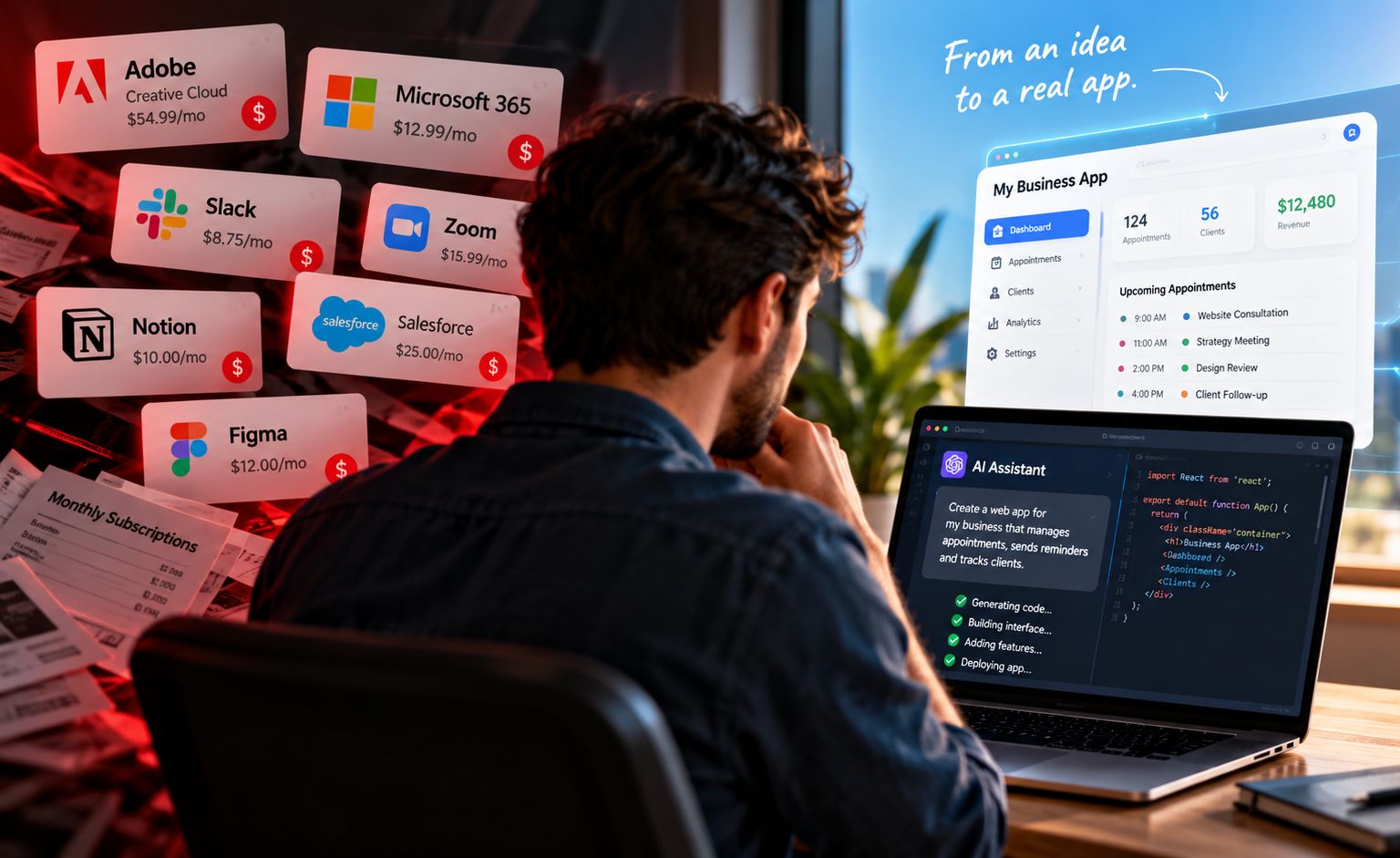
SaaSpocalypse 2.0 the idea come from subscription chaos to AI powered creation
From expensive software subscriptions to homemade apps, artificial intelligence is changing who gets to build technology – and who gets to profit from it. For years, the software industry operated on a simple formula: build a useful tool, charge a monthly subscription, and keep customers coming back. Businesses paid for productivity platforms, designers subscribed to creative software, and consumers accumulated monthly charges for apps they barely remembered signing up for.
Now, artificial intelligence is beginning to challenge that arrangement. The shift has even acquired a dramatic nickname: SaaSpocalypse, a combination of Software as a Service (SaaS) and apocalypse. And while the name might sound exaggerated, the frustration fueling this movement is very real.
From Wall Street Panic to Everyday Frustration
Earlier in 2026, fears that increasingly powerful AI tools could replace traditional business software contributed to a major selloff in technology stocks. Investors worried that companies might eventually build their own applications instead of paying established software providers.
The predicted collapse hasn’t materialized. Large companies still depend on sophisticated software ecosystems, particularly when security, regulatory compliance, customer data, and reliability are involved. But something interesting is happening outside the corporate boardroom.
Ordinary users and independent developers are discovering that AI can help them build tools tailored to their own needs, sometimes without paying another monthly subscription. And unlike Wall Street speculation, this trend is driven by something much more familiar: people getting tired of paying for software that doesn’t quite do what they want.
Meet the Rise of “Spite-Coding”
A new expression has emerged in technology circles: spite-coding. It describes people who become so frustrated with an expensive, slow, or unnecessarily complicated application that they decide to create their own alternative. AI-powered coding assistants have made that possibility considerably more accessible.
One example is ArtCraft, a project associated with developer Brandon Thomas that offers alternatives to established creative software. Its appeal reflects growing interest in tools that provide more flexibility, fewer recurring fees, and greater user control. Elsewhere, developers have shared projects ranging from faster interfaces for smart TVs to applications that let them control household appliances from their computers.
These aren’t necessarily products designed to compete with billion-dollar technology companies. Often, they’re simply personal solutions to everyday annoyances. The remarkable change isn’t that people can build software. It’s that the barrier to building it is getting lower.
Why This Matters for Small Businesses
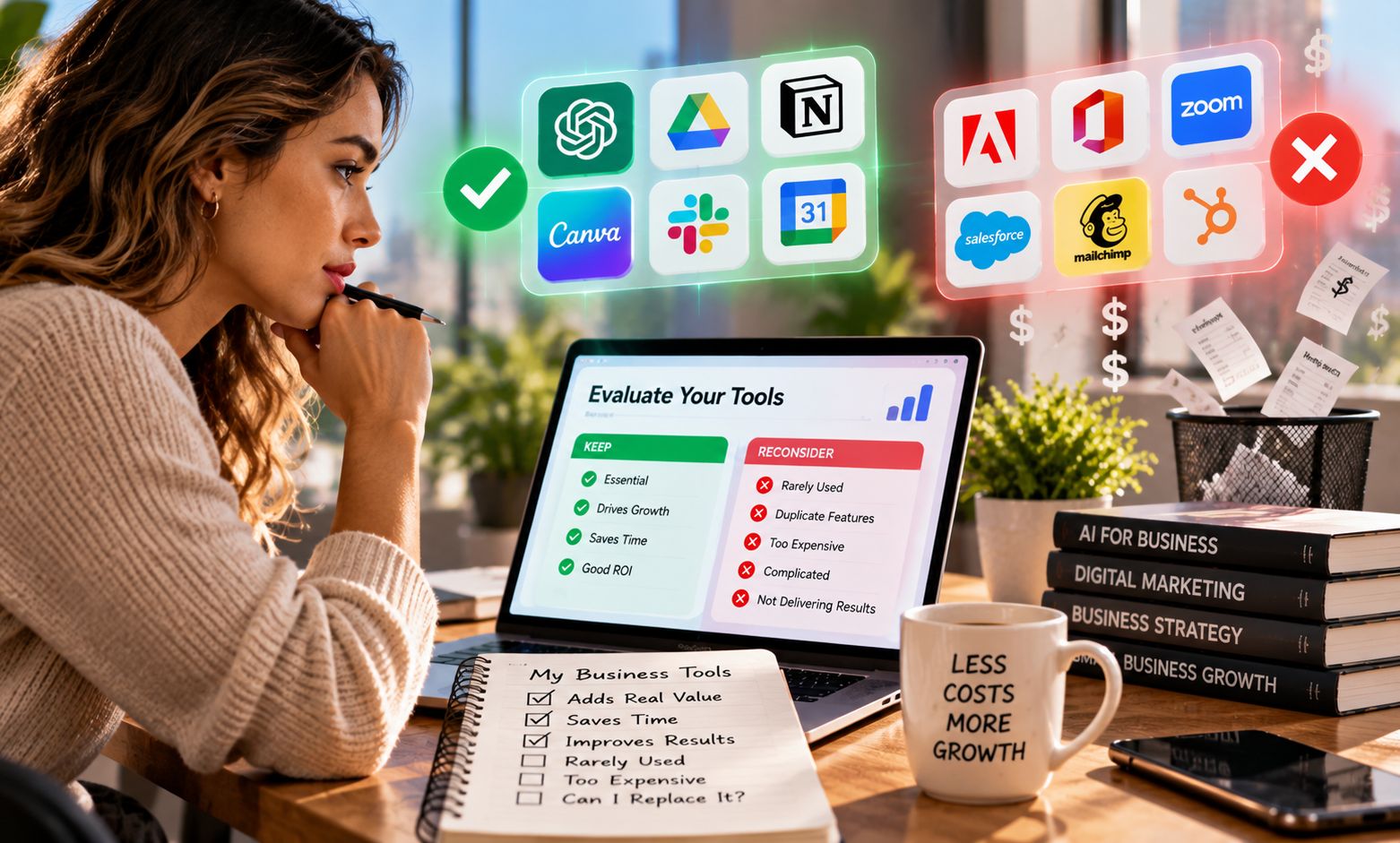
Understanding which technology genuinely delivers value and which tools have become unnecessary expenses
Consider a small business owner paying monthly fees for scheduling software, customer management, reporting dashboards, social media tools, and other digital services. Each subscription may seem affordable on its own. Together, however, they can become a meaningful operating expense. AI-assisted development introduces another possibility: creating a lightweight application that performs a specific task without requiring an entire commercial software package.
A local service business might build a customized appointment tracker. A consultant could create a simple client reporting dashboard. An online retailer might develop a tool to organize inventory or automate repetitive administrative work. None of these examples means that every business should immediately cancel its software subscriptions.
Established platforms offer important advantages, including technical support, integrations, security features, and ongoing maintenance. Custom applications also carry costs, even when AI makes their initial development easier. The opportunity lies in understanding which technology genuinely delivers value and which tools have become unnecessary expenses.
The Bigger Shift: From Buying Software to Building Solutions
Perhaps the most important development isn’t the potential decline of subscription-based software. It’s the changing relationship between people and technology. Until recently, creating a functional application generally required specialized programming knowledge, significant time, or a development budget.
Today, AI coding assistants can help users turn plain-language instructions into working prototypes. Someone might describe a problem, explain how a tool should behave, and gradually refine the result through conversation. That doesn’t eliminate the need for technical expertise.
Applications still require testing, security precautions, maintenance, and sound judgment, especially when they handle customer information or financial data. But it opens the door to experimentation that once seemed out of reach for many entrepreneurs. For small businesses, that could mean faster innovation, greater flexibility, and more control over how technology supports daily operations.
Will Software Subscriptions Disappear?
Almost certainly not. Major software providers have substantial advantages, from established customer relationships to extensive infrastructure and specialized industry solutions. What may change is the assumption that every digital problem requires another subscription. As AI-assisted development improves, software companies may face growing pressure to justify their prices through better experiences, more useful features, and measurable results.
Consumers, meanwhile, may become less willing to tolerate bloated interfaces, unnecessary features, or recurring charges for relatively simple tasks. The future may not be a world without software subscriptions. It may be a world where software has to work harder to earn them.
A Smarter Approach to Technology
For entrepreneurs and small business owners, the lesson is not to chase every new AI trend or attempt to replace every application with homemade software. It’s to ask better questions. Is this technology helping the business grow? Is it saving time? Is it improving the customer experience? Could a simpler solution accomplish the same objective?
At Kisuccess Marketing, we believe technology should serve a clear business purpose. Whether that involves improving a company’s digital presence, strengthening its search visibility, or identifying smarter ways to connect with customers, the goal remains the same: use technology strategically, not simply because it’s available.
The SaaSpocalypse may be an attention-grabbing name for an uncertain future. But the movement behind it points toward something more lasting. People increasingly want technology that adapts to their needs – rather than having to adapt their needs to technology.
FAQ — Frequently Asked Questions
1. What does SaaSpocalypse mean?
SaaSpocalypse describes the potential disruption of the subscription-based software industry as AI makes it easier to develop alternative applications.
2. What is spite-coding?
Spite-coding is the practice of building alternative software out of frustration with existing products, often because of high subscription fees, poor performance, or unnecessary complexity.
3. Can AI really build software without human programmers?
AI can generate code, create prototypes, and help automate development tasks. However, human oversight remains important for security, testing, maintenance, and reliability.
4. Can small businesses save money by creating their own apps?
Potentially. Simple custom tools can reduce dependence on certain subscriptions, but businesses should compare development and maintenance costs with the benefits of established software.
5. Will AI replace traditional SaaS companies?
A complete replacement is unlikely in the near future. Established providers offer sophisticated infrastructure, security, integrations, and technical support. AI may instead create more competition and pressure to improve value.
6. What should business owners do about the SaaSpocalypse?
Start by reviewing existing software subscriptions, identifying unnecessary costs, and exploring whether AI-powered tools could simplify repetitive tasks or improve operations.