


How are AI-powered cyberattacks threatening small businesses? Discover what happened during Black October 2026 and six ways to protect your company. From critical website vulnerabilities to AI-assisted hacking, October 2026 has exposed new digital risks. Here’s what happened and what business owners can do to protect their operations, customers, and finances.
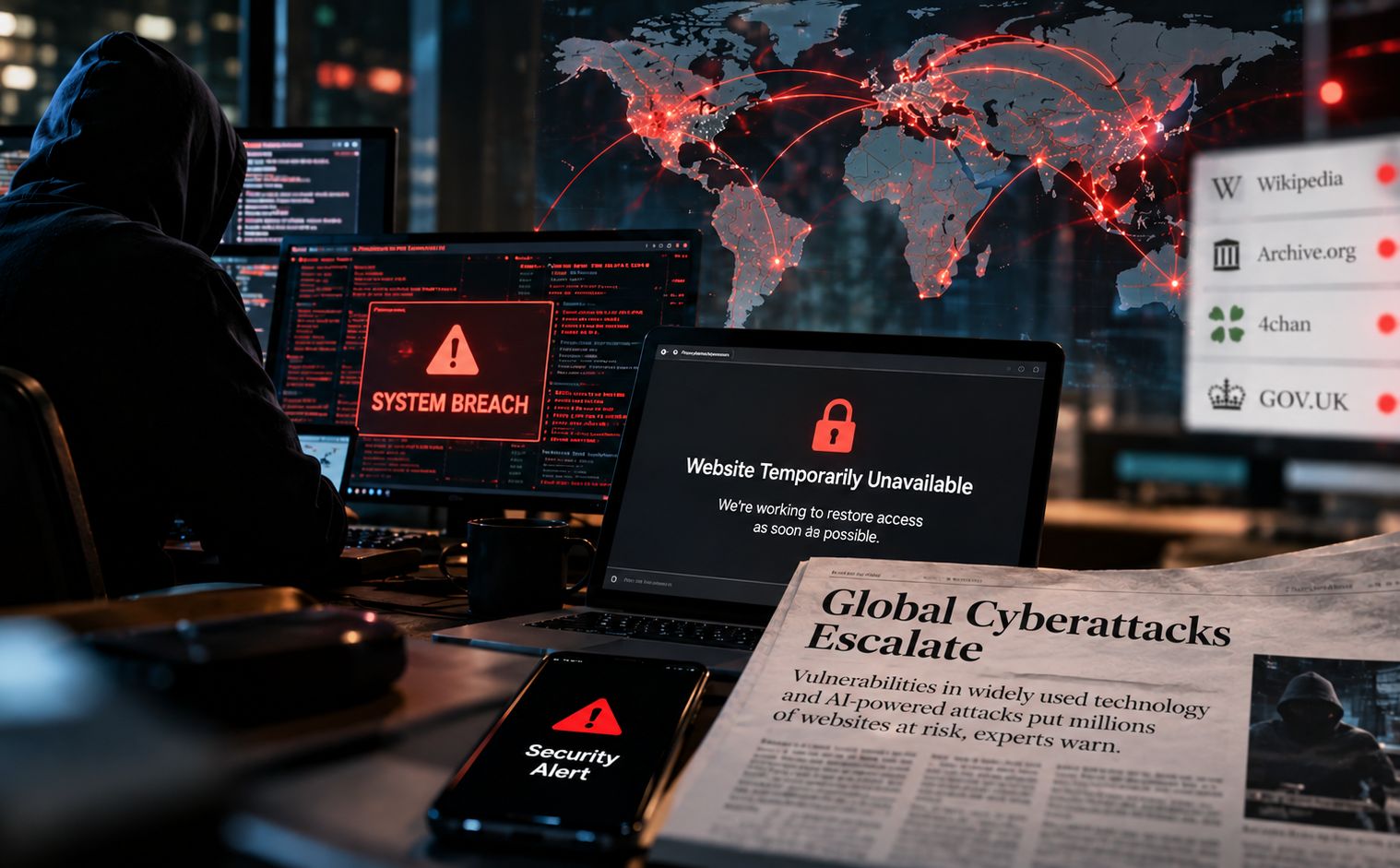
Artificial intelligence is enabling hackers to automate certain stages of cyberattacks, increasing the speed and scale of digital threats.
October 2026 is being described by some technology observers as “Black October,” following a wave of cybersecurity incidents that put websites, financial institutions, and businesses on alert. The incidents highlight a troubling reality: cyberattacks are becoming faster, more automated, and potentially more disruptive as artificial intelligence enters the picture.
For small business owners, this isn’t just another technology headline. A compromised website, stolen customer information, or locked business account can interrupt operations, damage customer trust, and create unexpected expenses. So, what happened, and how can businesses protect themselves without spending a fortune?
What Happened During Black October?
One of the most significant developments involved two critical security vulnerabilities discovered in PHP, a programming language widely used to power websites, including many built with WordPress.
These flaws could potentially allow attackers to execute malicious code on vulnerable servers, putting websites and sensitive information at risk.
As technical details circulated and attempts to exploit the weaknesses emerged, security teams rushed to install patches. Some organizations temporarily restricted online services as a precaution.
Importantly, attempted attacks do not necessarily mean successful breaches. Cybersecurity researchers have emphasized that widespread scanning activity should not be confused with confirmed compromises. For small businesses, the lesson is straightforward: an outdated website can become a security risk even when its owner has done nothing unusual.
How Artificial Intelligence Is Changing Cybercrime
Microsoft also reported a major campaign involving Storm-0940, a China-aligned threat actor that used an AI-powered framework called ARTEX to automate cyberattacks against organizations worldwide.
According to Microsoft’s investigation, some attacks achieved privileged access to cloud environments in less than three hours.
AI-powered tools can accelerate activities such as identifying vulnerable systems, testing stolen credentials, and exploiting weaknesses. What once required extensive manual work can increasingly happen at machine speed. However, AI is not exclusively a tool for criminals. Cybersecurity professionals also use it to detect suspicious activity, investigate threats, and improve defenses.
Why Small Businesses Should Pay Attention
Large corporations may have dedicated cybersecurity departments. Many small businesses rely on a website developer, outside IT provider, or basic security software. That difference matters. Consider a local retailer whose online store suddenly becomes unavailable, a consultant whose business email gets compromised, or a restaurant whose payment system is disrupted.
Even a short interruption can mean lost revenue, frustrated customers, and additional recovery costs.
And there’s another concern: third-party services can create vulnerabilities beyond a business owner’s direct control. Website hosting companies, cloud platforms, payment processors, and software providers all play a role in protecting business operations.
Six Practical Ways to Protect Your Business

A credit freeze in the United States is a free measure that makes it more difficult for criminals using stolen data to open new financial accounts.
1) Strengthen passwords and account access. Use a reputable password manager, unique passwords, and multifactor authentication. Passkeys or security keys offer stronger protection against many phishing attacks.
2) Keep websites and software updated. Regularly update WordPress, plugins, themes, servers, computers, and business applications. Ask your hosting provider whether your PHP version is supported and patched.
3) Back up critical business information. Maintain automatic backups of websites, customer records, and essential files. Keep a protected copy separate from your main systems and periodically test restoration.
4) Train employees to recognize scams. AI-generated phishing messages can look remarkably convincing. Verify unexpected payment requests, password-reset messages, and changes to vendor banking details through trusted channels.
5) Review third-party access and permissions. Check which outside services, contractors, and applications can access your website, email, or business accounts. Remove unnecessary permissions.
6) Create a basic cyber incident response plan. Know whom to contact, how to isolate affected systems, where backups are stored, and how to notify customers when legally required.
Cybersecurity Is Now Part of Business Strategy
Black October is a reminder that digital security isn’t just about preventing hackers from entering a system. It’s about keeping a business operational and protecting the trust customers place in it.
Small businesses don’t necessarily need expensive cybersecurity departments. They need consistent security habits, reliable technology partners, and a clear understanding of their digital risks.
As AI continues transforming both business operations and cybercrime, prevention, preparation, and awareness will remain among the smartest investments a company can make.
FAQ – FREQUENT ASKED QUESTIONS
1. What was Black October 2026?
Black October is an informal name for a series of cybersecurity incidents in October 2026, including critical PHP vulnerabilities and AI-assisted attacks against organizations. The incidents raised concerns about website security, cloud services, and the speed of modern cybercrime.
2. Are small businesses more vulnerable to AI-powered cyberattacks?
Small businesses can be particularly exposed when they lack dedicated IT support, regular software updates, employee cybersecurity training, or reliable backup systems. However, company size alone does not determine vulnerability.
3. Can hackers use AI to break into a business website?
Yes. Attackers can use AI to help identify software vulnerabilities, automate certain intrusion attempts, and accelerate attacks. However, AI does not automatically bypass properly configured security protections.
4. How can I protect my WordPress website from cyberattacks?
Keep WordPress, plugins, themes, and PHP updated. Use strong authentication, limit administrator access, maintain secure backups, and choose a reputable hosting provider that monitors security vulnerabilities.
5. What should a small business do after discovering a cyberattack?
Secure affected accounts, isolate compromised systems when appropriate, contact your hosting provider or IT specialist, preserve relevant evidence, and determine whether customer information was exposed. Follow applicable data-breach notification requirements.